
What is the machine with the claw and the teddies called?
Claw machine, crane game, grabber or UFO catcher: all the names of the plush-grabbing machine in English and in Spanish.
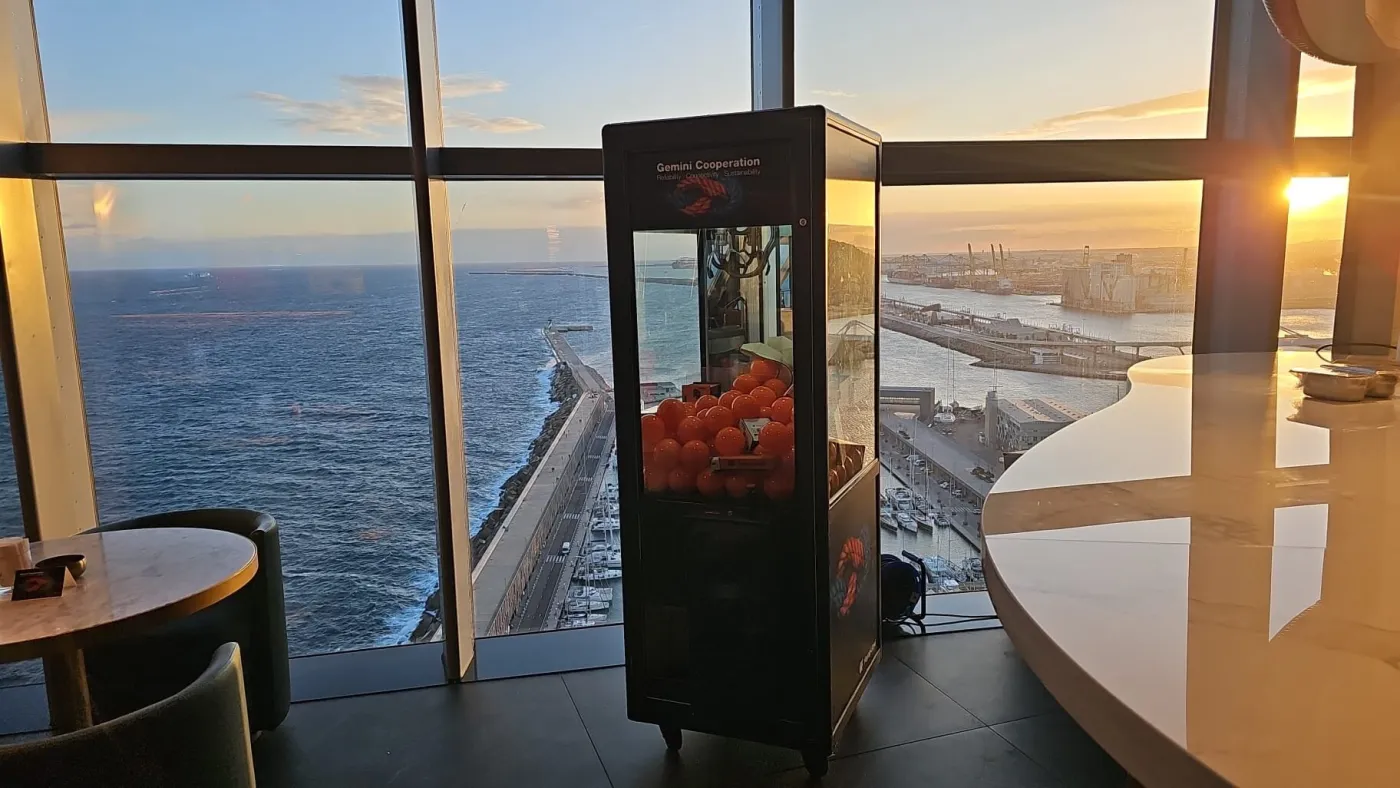
We have all seen one at a funfair, in a shopping centre or at the cinema: a glass cabinet full of plush toys, a claw hanging from a cable and a joystick to move it. But when it comes to naming it, everyone calls it something different. So what is it actually called? The short answer is that it has lots of names, and nearly all of them are right.
The short answer
In English, the most common name is claw machine. You will also hear crane game, claw crane and, in the UK, grabber machine. In Spain it is usually called máquina de gancho (hook machine) or grúa de peluches (plush crane). They all describe the same game: steer a claw over a pile of prizes and try to grab one.
The names in English
Each name focuses on a different part of the machine:
- Claw machine. Named after the mechanism that grabs the prize. By far the most searched term.
- Crane machine or crane game. Named after the movement: the claw hangs from a carriage that moves like a miniature building crane. Very common in the US.
- Claw crane. A mix of the two.
- Grabber machine or teddy grabber. Typical of British seaside arcades.
- UFO catcher. Widely used in Japan, after a popular line of 1980s machines shaped like a flying saucer.
If you are looking to hire one for an event, people search for “claw machine hire” in the UK and “claw machine rental” in the US.
And in Spanish
Since we are based in Barcelona, here is a quick guide for international events in Spain:
- Máquina de gancho: the most searched name in Spain.
- Grúa de peluches or just la grúa: the crane.
- Máquina de peluches or máquina de sacar peluches: the plush machine, as children call it.
- Máquina garra: a direct translation of “claw machine”, increasingly common.
In Mexico and much of Latin America, máquina de peluches and máquina de garra are the usual terms.
A bit of history
The first claw machines appeared in the United States in the early twentieth century. They were mechanical, worked with a hand crank and were filled with sweets and small gifts. They were known as “diggers”, because the scoop dug the prize out of a pile.
Over the years came electric motors, the joystick and the three-pronged claw we know today. The big leap came in the 1980s, when Japanese arcades filled the cabinets with plush toys and the machine became an arcade classic. From there it returned to Europe and America with its current look: lights, glass on all four sides and mountains of soft toys.
The parts of the machine
If you are talking to a technician or supplier, it helps to know the parts:
- The claw: usually three-pronged. It opens and closes with a small electromagnet.
- The gantry: the frame at the top along which the claw moves forwards, backwards and sideways.
- The joystick: used to steer the claw.
- The button: starts the game or drops the claw.
- The prize chute: the opening where the prize lands.
- The coin mechanism: the slot for coins or tokens. At events it is usually switched to free play.
For more detail, we explain it step by step in how a claw machine works.
What about prize machines without a claw?
There is a closely related family that often gets mixed up with the claw machine: machines where the prize comes out on its own, with no skill involved. They have several names too:
- Prize machine or prize vending machine: a general term used for both claw machines and dispensers.
- Gumball machine: you turn a handle and a ball drops out, in our case a capsule with a gift inside rather than anything to eat.
- Capsule machine or surprise capsule dispenser: the same idea, stressing that you never know what you will get.
In Japan they are famous as gashapon or gacha, after the sound of the handle turning and the capsule dropping. In Spanish they are called máquina de bolas, máquina expendedora de bolas or máquina de bolas sorpresa.
The difference from the claw machine is simple: with a claw machine you have to earn the prize; with a dispenser, the prize always comes. That is why many events use both.
What we call it
On our website it is the claw machine, but in our warehouse in Barcelona it is simply “la grúa”. We also have a version with coloured lights, the LED prize claw machine, and two machines from the same family without a claw: the giant gumball machine and the surprise capsule machine.
Whatever you call it, the effect at an event is always the same: people come over, laugh and queue up to have a go.
Frequently asked questions
Is a claw machine the same as a crane game?
Yes. They are two names for the same machine. “Claw” refers to the grabber and “crane” to the movement.
What is a claw machine called in Spanish?
Máquina de gancho or grúa de peluches in Spain; máquina de peluches or máquina de garra in Latin America.
Can I hire one for a party?
Yes. We hire claw machines for weddings, trade shows, shops and corporate events across Spain. You can request a quote here.
Machines in this article
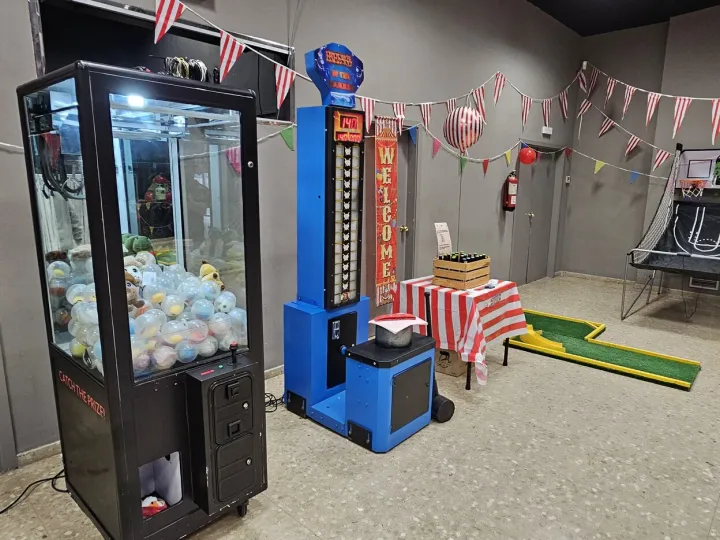
Claw machine hire for events
The classic plush crane game, with your brand and your prizes
- Dimensions 64.5 × 188 × 70 cm (W × H × D)
- Weight 130 kg, on wheels
- Power 75 W · standard socket
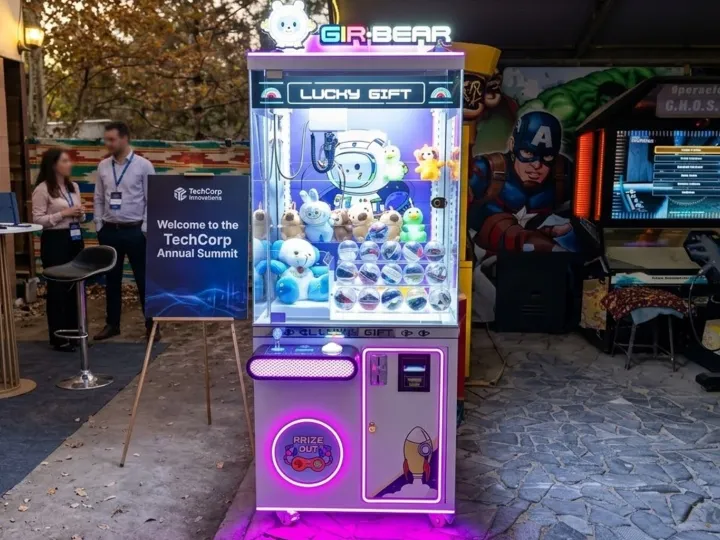
LED prize claw machine hire
Coloured lights, tempered glass and a big claw to show off your brand
- Power Standard socket
- Access Lift or goods lift at least 2 m high and 150 cm deep
- Players 1 per go
Want a claw machine at your event?
We will tell you which machine fits best, how many prizes you need and how to brand it.